Walking into a traditional barbershop for the first time can feel like joining a conversation already in progress. There is a sign in sheet or a shouted question about who is next, chairs along the wall, and regulars who clearly know the drill. The system is simpler than it looks, and nobody expects a first timer to know it. This short guide covers the working basics so the visit itself is the only new thing.
How the line actually works
Many traditional shops run on walk-ins: you come in, sign your name or tell the barber you are there for a cut, and take a seat in order. If there is a sheet, sign it; if a barber asks who is next or whether anyone is waiting, that is your cue. If you have a preference for a specific barber, say so when you arrive, and expect that choosing a barber can mean waiting past people who arrived after you but are happy with the first open chair.
Waits stretch on Saturday mornings and right after work, and shrink on weekday mornings. If time is tight, ask for an honest estimate when you walk in. Barbers would rather give you a real number than watch you fidget for forty minutes.
In the chair
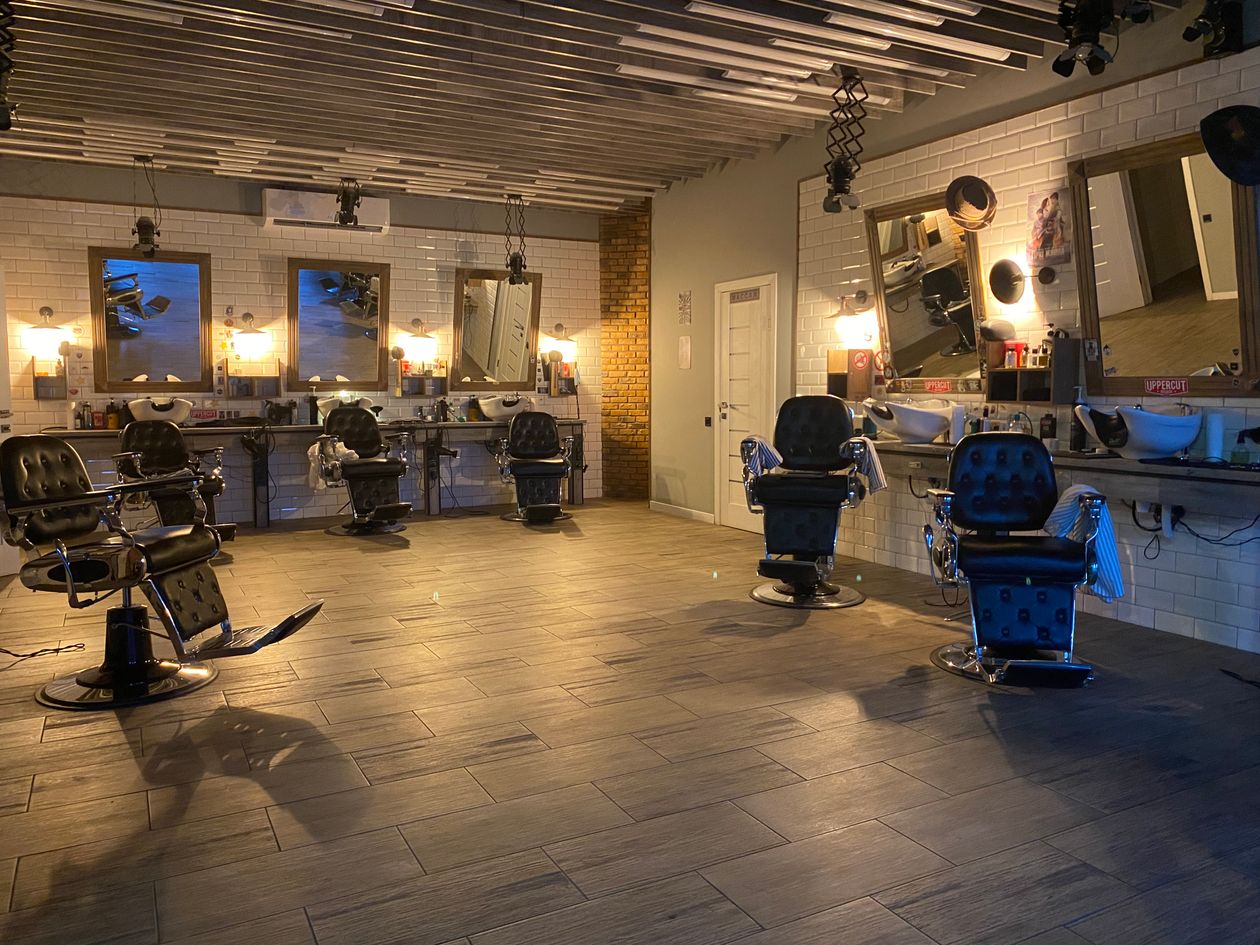
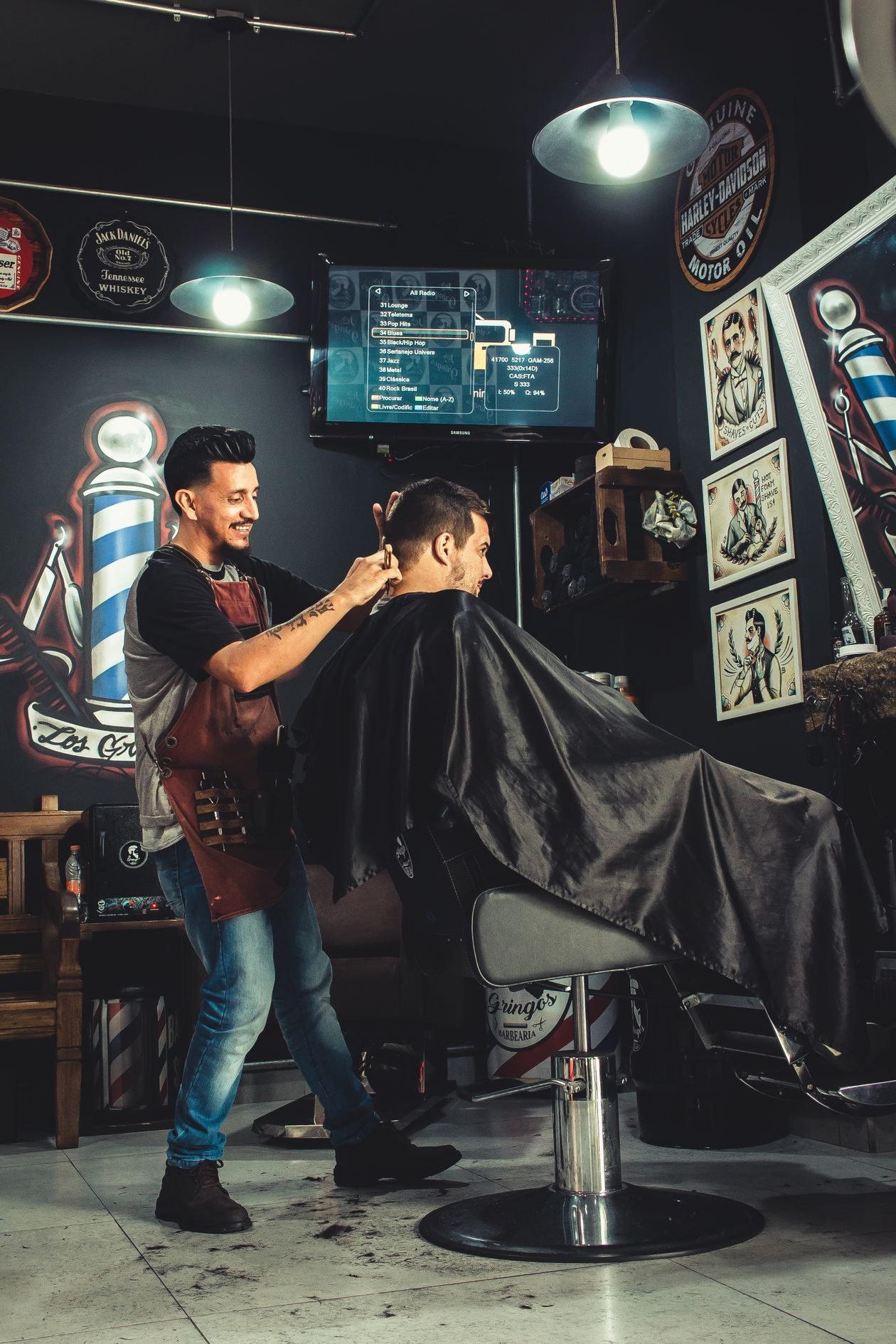
Say what you want in plain terms: the style, the guard number if you know it, what you liked or did not like about your last cut, and how you usually wear it. Mention cowlicks, scars, or a sensitive neck before the clippers start, not after. It is fine to speak up mid cut if something looks off; barbers would much rather adjust early than rebuild at the end. When the barber holds up the mirror for the back, actually look, that check is your chance to ask for the neckline tighter or the top shorter.
Payment and the small courtesies
Some traditional shops are cash or check only, so check before you sit down if you only carry cards, and ask about the nearest cash machine if you need one. Tipping works the way it does in most service trades: a few dollars on a standard cut is customary, more for a shave or a barber who squeezed you in. And the simplest courtesy of all: if you cannot make it or the wait has outgrown your schedule, tell the shop rather than vanishing from the list, because somebody behind you is counting chairs.
- Sign in or speak up. Put your name down or tell a barber you are there for a cut.
- Say if you have a barber preference. It changes your wait, so say it on arrival.
- Describe the cut plainly. Style, length, photos, and anything sensitive to know about.
- Check the mirror. Use the back view check to ask for final adjustments.
- Settle up and note the recipe. Remember the guard numbers for next time.
Kids, phones, and other chair side realities
Bringing children is welcome in most traditional shops, with the understanding that the waiting area is shared: a snack, a quiet activity, and keeping little ones out of the barbers' work paths keeps everyone relaxed. If your child is the one getting the cut, the same walk in logic applies, and weekday mornings remain the calmest stage for it. Phones are a smaller matter than they used to be, but a call taken at full volume in a four chair shop is a performance for an audience of strangers; stepping to the door for a long one is the courtesy that costs nothing.
Finally, understand that barbershop conversation is part of the furniture: sports, weather, and town news at a volume meant for the room. Join in or don't, both are normal. The only real rule of the traditional shop is the oldest one in service work: treat the line, the chair, and the people in both the way you would want them treated when you are the one waiting.
Regulars are not born; they are made by about three visits. By the third, the barber knows your cut, your guard numbers, and how you take your coffee if the shop keeps a pot. That familiarity is the quiet product a traditional shop sells alongside haircuts, and it is why men drive past three closer options to sit in a particular chair. Your first visit only has to start the count.
Common questions
Do I need an appointment at a traditional barbershop?
Many run mainly on walk-ins, but it varies by shop and barber. A quick call before your first visit settles it and gives you the least busy times too.
What if I do not know the barber terms for my cut?
Describe it in plain words or show a photo. Barbers translate requests all day; knowing a guard number helps but is not required.
Is it rude to ask for a specific barber?
Not at all. Regulars do it constantly. Just expect to wait for that chair even if another opens first.
Photos in this guide are representative stock images.
← All guides from Gary's Barber Shop← Back to Gary's Barber Shop