More beards are ruined by bad lines than by bad length. A beard can be short or long and look deliberate either way, but a neckline carved too high, cheek lines that wander, or a shape that ignores the face will make even a healthy beard look like an accident. The good news is that the rules are simple, and once the lines are set correctly, maintenance is a few minutes a week.
The neckline: lower than you think
The most common beard mistake is trimming the neckline up onto the jaw. That creates a thin strap effect and makes the face look heavier. The natural neckline sits lower: roughly where the neck meets the jaw, about two fingers above the Adam's apple, curving up toward the ears. Hair below that line goes; hair above it stays, even the part under the chin that feels like neck hair when you look straight down.
Test it by looking at your profile, not just the front mirror view. A neckline that looks right head on and wrong from the side is usually cut too high and too straight.
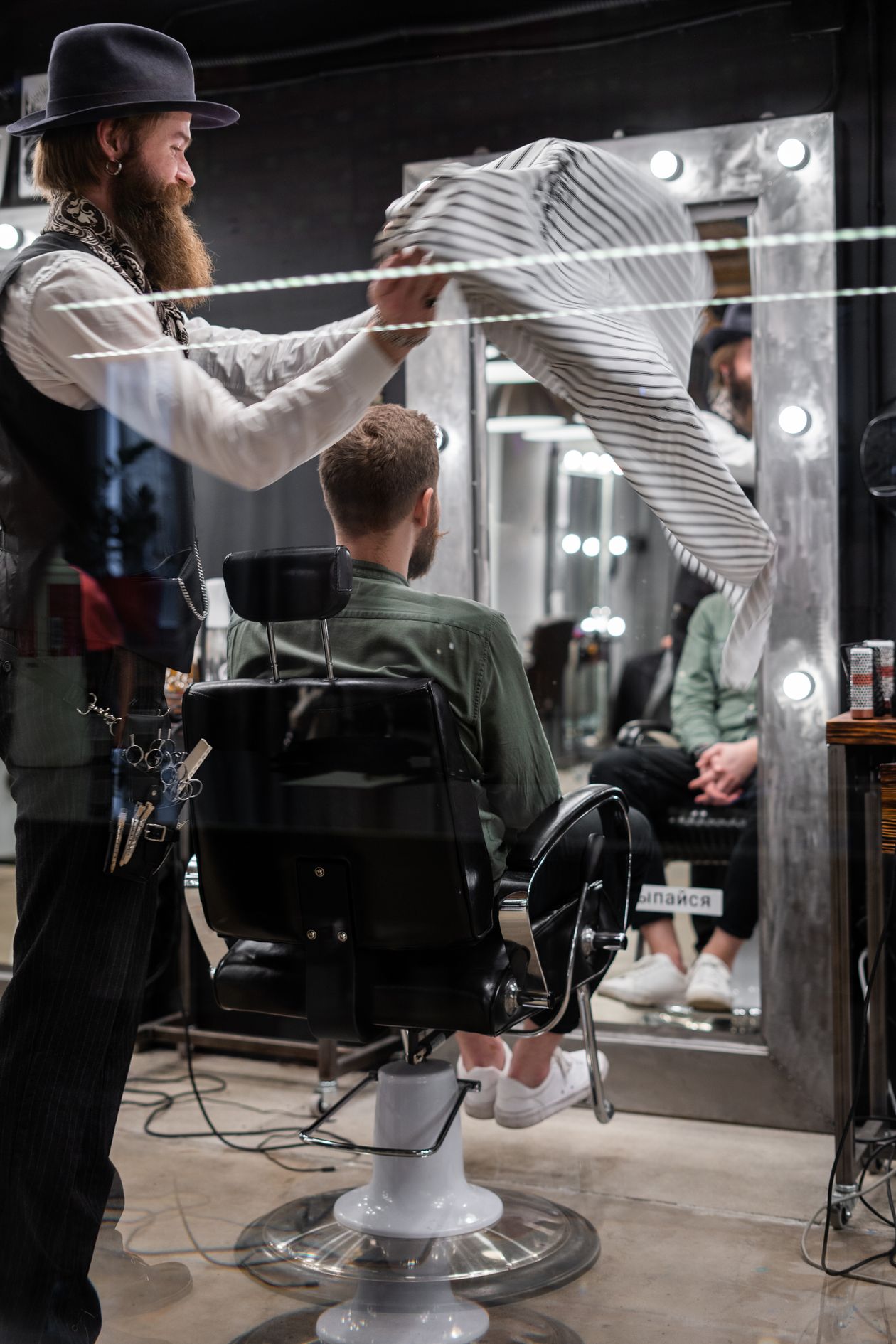
Cheek lines and shape
Cheek lines should follow a natural line from the sideburn toward the corner of the mouth, cleaned up above that line rather than redrawn lower. Some men have high, full cheeks and need almost no cleanup; others have sparse growth up top and look better letting the line sit where the growth actually is. Fighting your own growth pattern with a razor rarely wins.
Shape follows the face. A fuller chin area balances a narrower jaw; keeping the sides tighter and the front slightly longer suits most faces. Growing out, expect an awkward stage around weeks three to five when the beard is neither stubble nor beard. That stage is normal, and trimming for shape during it, without taking length, is exactly what a beard trim appointment is for.
Tools and upkeep at home
Clippers with guards handle bulk and even length; a razor handles the lines. Trim a dry beard, because wet hair hangs longer and cutting wet leads to a shorter result than planned. Comb it down into its natural lie before judging length, brush it daily to train direction, and wash it with the same attention as head hair. Dry skin underneath is the usual cause of beard itch, and it eases as the skin adjusts and gets moisturized.
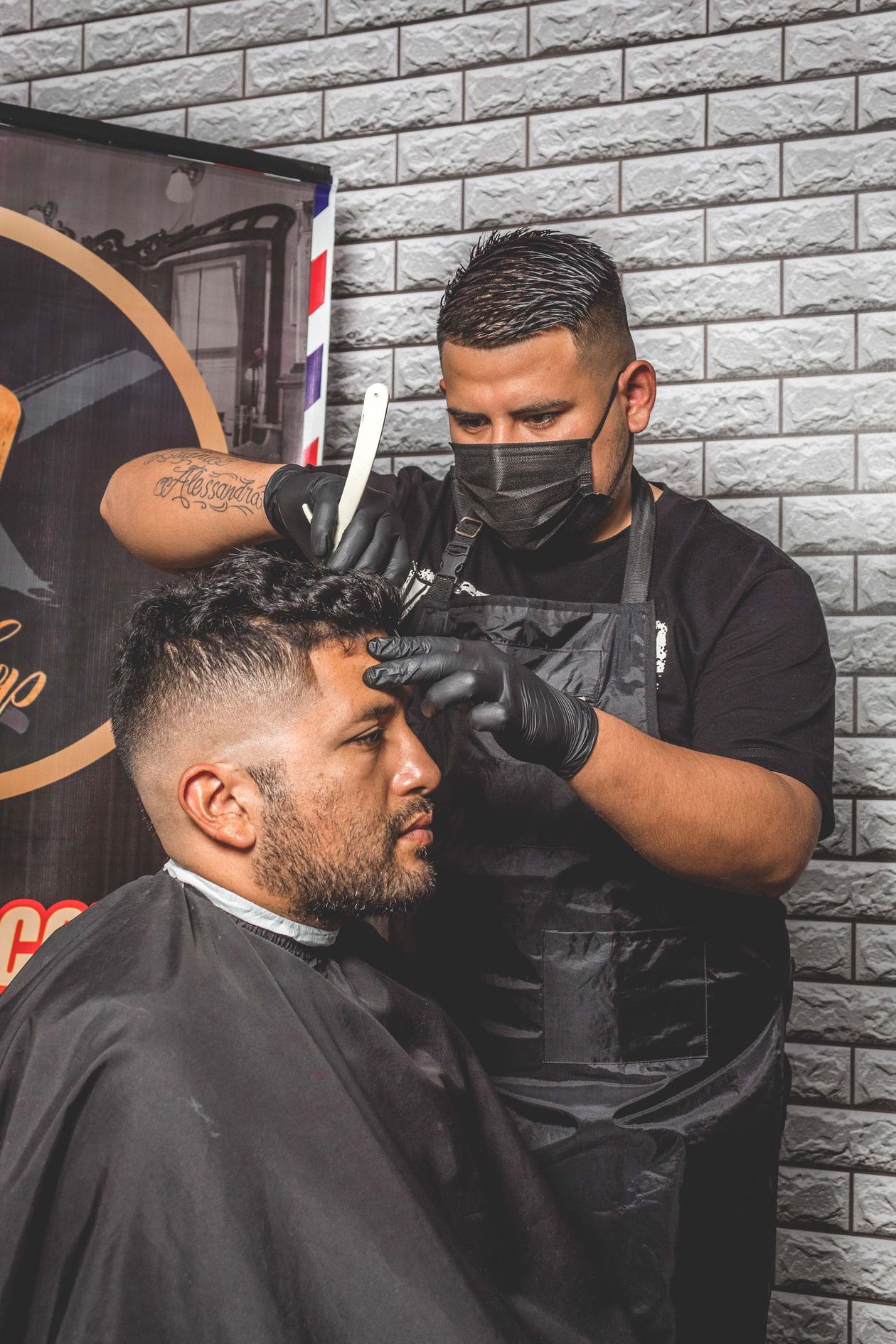
- Neckline at the jaw neck junction, not on the jaw
- Cheek lines cleaned, not redrawn against growth
- Trimmed dry, combed into its natural lie first
- Sides and front balanced for your face shape
- Skin under the beard washed and moisturized
Gray, patchiness, and other normal beard facts
Beards gray earlier and faster than head hair for many men, often starting at the chin, and the gray hairs are wirier in texture. That is normal, not a deficiency, and a well shaped gray beard reads as distinguished precisely because the lines are deliberate. Patchiness is equally normal through the twenties and often improves with age and with the patience to let slower zones fill visually over eight to twelve weeks of growth. Judging a beard at week two is like judging a haircut halfway through: the shape is not there yet because the material is not there yet.
What a trim does during the grow out is manage the transition: keeping the fast areas from overwhelming the slow ones, holding the lines, and removing the split, scraggly ends that make a growing beard look neglected. Bring your barber a photo of the beard you are aiming for and be ready for an honest answer about whether your own growth pattern supports it, because a good barber's honesty at week three saves a year of fighting your own face.
One more maintenance truth: a beard trim is also a skin appointment. The skin under a beard gets washed less thoroughly, exfoliated almost never, and in winter, dried out by indoor heat. Working shampoo down to the skin when you wash, and a small amount of moisturizer or beard oil worked to the skin rather than just the hair, prevents most of the flaking men blame on the beard itself. Your barber can see the skin's condition at a trim and will tell you honestly if it needs attention.
Common questions
How often should a beard be professionally trimmed?
Every two to four weeks for most men: short beards at the frequent end, longer beards less often but with more shaping each visit.
My beard grows in patchy. Should I shave it off?
Give it a full eight to twelve weeks before judging. Slow areas often fill in visually once surrounding hair gains length, and a barber can shape around genuine thin spots.
Where exactly should the neckline sit?
About two fingers above the Adam's apple, following the curve where neck meets jaw. When in doubt, leave it lower; you can always raise it slightly, but regrowing a too high line takes weeks.
Photos in this guide are representative stock images.
← All guides from Gary's Barber Shop← Back to Gary's Barber Shop